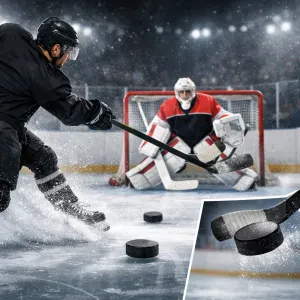
Hockey is an exciting sport that’s intense and fast-paced. To really enjoy the game, it helps to know the basic rules. First up is the objective: score goals by shooting the puck into the opponent's net. Sounds simple, right? But trust me, that’s just the beginning!
One of the key elements is understanding the positions on the ice. You’ll find forwards, defensemen, and the goalie. Forwards are all about scoring, while defensemen work to stop the opposing team. And the goalie? They're your last line of defense, making those incredible saves to keep the puck out of the net.
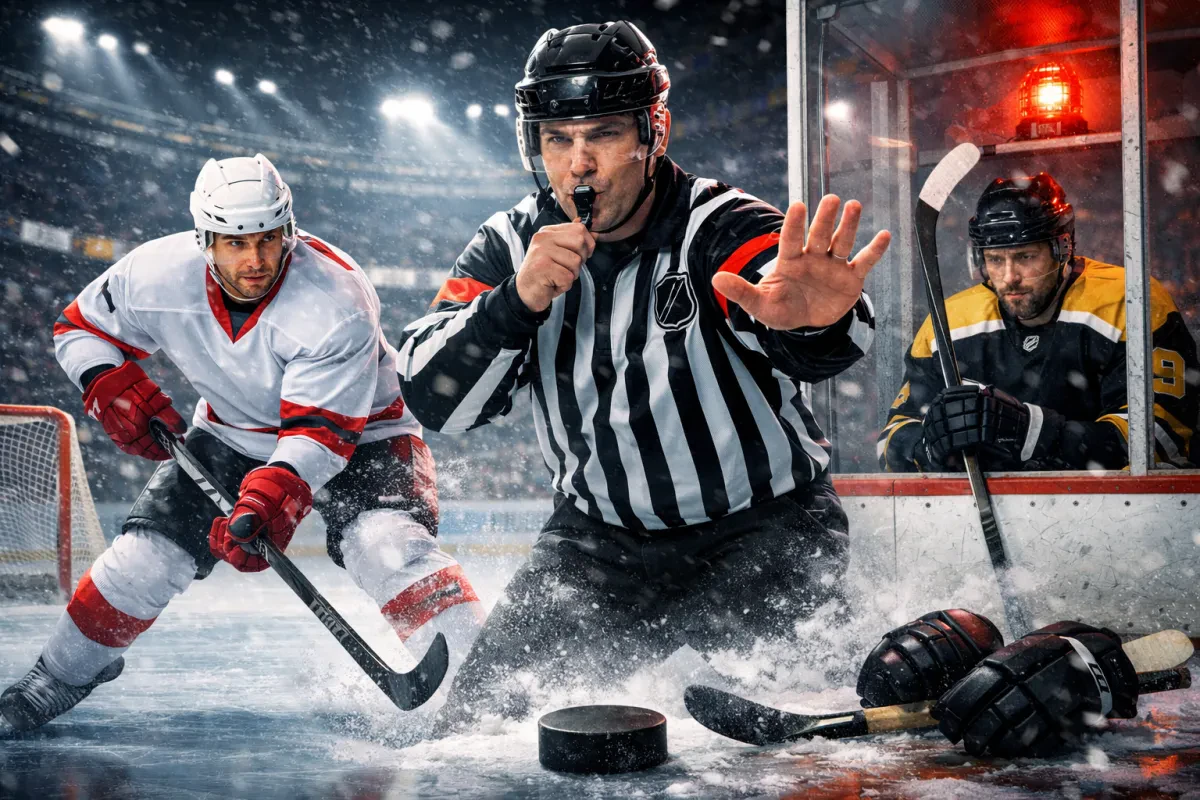
Penalties play a big role in hockey, and they can change the game in an instant. Common fouls include tripping, slashing, and high-sticking. When a player commits a penalty, they might have to spend time in the penalty box, giving the other team a power play. It’s a huge opportunity for the opposing team to score!
Another important rule is offsides. This one can get a bit tricky. A play is offside if an attacker enters the opponent's zone before the puck does. If that happens, the referee whistles the play dead, and everyone has to reset. It keeps the game fair and snappy!
So next time you’re watching a game, keep these basics in mind. Understanding these rules will make the experience a lot more enjoyable, and maybe you'll even impress some friends with your newfound hockey knowledge!
Common Penalties and Their Consequences
In hockey, understanding penalties is a game-changer. Knowing what can get you sent to the penalty box keeps players smart on the ice. Here’s a look at some of the most common penalties and what they mean for the game.
Hooking happens when a player uses their stick to grab or pull an opponent. This can disrupt play and give the other team a power play. Usually, you get two minutes for hooking, and that time can feel like forever if your team is shorthanded.
Tripping is pretty self-explanatory. If you send someone to the ice with your stick or even your body, you’re likely headed to the box. It's a clear violation, and you’ll find yourself sitting out for two minutes, making it easier for the other team to score.
How about
Lastly, let’s not forget about boarding. Shoving someone hard into the boards is dangerous and not taken lightly. This penalty can lead to a two-minute minor, but if the hit is really rough, it could even escalate to a five-minute major. No one wants to be the reason their team is down a player for that long!
How to Play Smart and Avoid Fouls
Playing smart in hockey is all about understanding the game and your own body. First off, keep your stick on the ice and your head up. This helps avoid those accidental high-stick penalties. You can spot a play developing while steering clear of trouble.
Next, use your body wisely. Think about your positioning. If you find yourself reaching for the puck, it can lead to an interference call. Stay balanced and keep your feet moving. While the game’s fast, staying agile means you can avoid unnecessary contacts and penalties.
Communication with teammates is key. Always calling for the puck or letting someone know if they need to switch can prevent collisions that might end with a whistle blowing. Plus, knowing where your teammates are means you can anticipate plays better, leading to smarter decisions on the ice.
Finally, manage your aggression. Hockey is passionate, but excessive physical play can land you in the penalty box. Focus on making clean hits and playing the puck. It’s all about being competitive without crossing the line. Keep your cool, and you'll be playing a strong game while maintaining your composure.
Tips for Staying Informed on Rules
Staying updated on hockey rules is a game changer. Here are some tips to help you keep your knowledge fresh and avoid any confusion on the ice.
Firstly, follow reputable hockey websites and forums. Sites like the NHL's official page or specialized hockey blogs usually have the latest updates on rules changes and interpretations. Joining discussion forums lets you ask questions and get insights from other players and fans.
Secondly, consider downloading apps focused on hockey. Many have real-time updates on games, stats, and rule explanations. These handy tools keep you in the loop while you’re on the go. Plus, they often have quizzes to test your knowledge!
Finally, watch games with a critical eye. Pay close attention to how referees enforce rules during matches. Bring a notebook or use an app to jot down any penalties that catch your attention. Analyzing the calls can deepen your understanding of the game.