In hockey, each player has a specific role, and understanding these positions helps you appreciate the game much more. Let’s break it down.
First up, we have the forwards. They are often the ones who light up the scoreboard. Forwards are split into three main spots: left wing, center, and right wing. The left and right wingers hang out on their respective sides and work to set up plays, while the center tends to be the playmaker, making passes and taking key shots. If you love fast-paced action and scoring, this is the position to watch.
Next, let’s talk about defensemen. Their main job is to protect the net and thwart the opposing team’s attack. Each team usually has two defensemen on the ice at any time. They have to be solid skaters with strong defensive skills. They not only help to stop incoming shots but also support their forwards by moving the puck up the ice when the opportunity arises. Good defense is crucial, so these players are often unsung heroes.
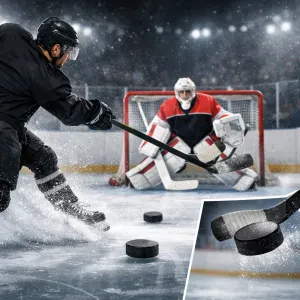
Finally, we can’t forget the goaltender, or goalie. This player is the last line of defense, and it’s their job to stop the puck from going into the net. Goalies need quick reflexes, excellent positioning, and nerves of steel. They often face some of the hardest shots in the game, so having a strong goalie can make a huge difference in the outcome of a match.
So there you have it! Each position plays a unique role, and that’s what makes hockey such a dynamic and thrilling sport to watch. Understanding these positions can really enhance your viewing experience and help you cheer for your favorite players even more.
Key Roles of Each Position
In hockey, each position has its own unique role to play on the ice. Understanding these roles can help fans appreciate the game even more. Let’s break it down!
The forwards are the offensive powerhouses. They’re responsible for scoring goals and creating chances. Each forward typically has a specific position: center or winger. The center plays a crucial role in leading the attack, moving the puck, and winning face-offs. Wingers, on the other hand, hang out on the sides of the ice, looking to set up plays and take shots. Good forwards have speed and stick-handling skills, making them essential for putting points on the board.
Now, let’s talk about defensemen. Their main job is to protect the net and stop the opposing team from scoring. You’ll find two types: stay-at-home defensemen and offensive defensemen. Stay-at-home guys focus on blocking shots and clearing the puck while letting forwards do the scoring. Offensive defensemen love to jump into the attack, providing an extra layer of offense. Both roles are vital for a balanced team, keeping that puck away from their net.
And then, of course, there’s the goalie, the last line of defense. Goalies have the huge task of stopping shots and keeping the team in the game. Great goalies not only have quick reflexes but also good positioning skills. They read the play as it unfolds, making split-second decisions to save the day. A strong performance from the goalie can change the entire outcome of a match.
How Players Contribute to Team Success
Hockey is all about teamwork, and each player has a unique role that contributes to the team's success. Each position, whether it’s a forward, defenseman, or goalie, plays a critical part in the overall game plan. Let’s break it down.
Forwards are the goal-scoring heroes. They not only shoot the puck but also create opportunities for each other. Their job is to put pressure on the opposing defense and maintain offensive zone time. A forward who can read plays quickly and execute passes has a big impact on the game. They need to be quick on their feet and be ready to support their teammates.
Defensemen are the backbone of the team. They focus on protecting the net and blocking shots. Good defensemen anticipate plays and use their bodies to fend off attackers. A solid defensive strategy helps the entire team by minimizing scoring chances for the other guys. When defensemen communicate well, it makes it tougher for opponents to break through.
And let’s not forget the goalies! They're the last line of defense and can change the game’s outcome. A confident goalie inspires the team and helps them feel secure. If they can stop shots consistently, it boosts team morale and allows forwards and defensemen to play more aggressively without worrying as much about their own end.
When all positions work together, it creates a strong unit that can dominate on the ice. Each player's contributions are crucial, and understanding these roles helps teams execute their strategies effectively. Successful teams thrive when every player knows their job and how they fit into the big picture.
Position-Specific Skills You Should Know
When you’re diving into hockey, it helps to know what each position really brings to the game. Let’s break down those position-specific skills that are key to success on the ice.
Forwards: These players are all about scoring and setting up plays. You’ll want to work on your shooting accuracy and quick wrist shots. Skating speed is crucial, too; you need to zip past defenders and help out on the offensive end. Good puck handling makes all the difference when it comes to creating those solid scoring chances. Plus, make sure to sharpen your ability to read the game—knowing when to pass or take a shot is an art!
Defensemen: If you’re on defense, your main job is to keep the opposing team from scoring. This means honing your checking skills to disrupt opposing forwards and figuring out when to jump into a play to help out your forwards. Positioning is everything; being in the right spot at the right time can save your team from a lot of trouble. Work on your shot blocking skills, too—getting in front of that puck can change a game!
Goalies: Goalies have a tough job, but it’s also one of the most rewarding. You need quick reflexes and the ability to stay cool under pressure. Practice your lateral movement; getting side to side quickly can help you stop those pesky shots. It’s also all about reading the play—anticipating where the puck will go is key. Lastly, mastering your stick handling can help clear the puck out of danger and start a breakout for your team.
Each position has its unique skills, and mastering them can seriously up your game. Whether you’re a forward looking to find that scoring touch, a defenseman ready to shut down plays, or a goalie poised to protect the net, investing the time to improve those skills pays off on the ice.